
About our cheese
Patience is a virtue
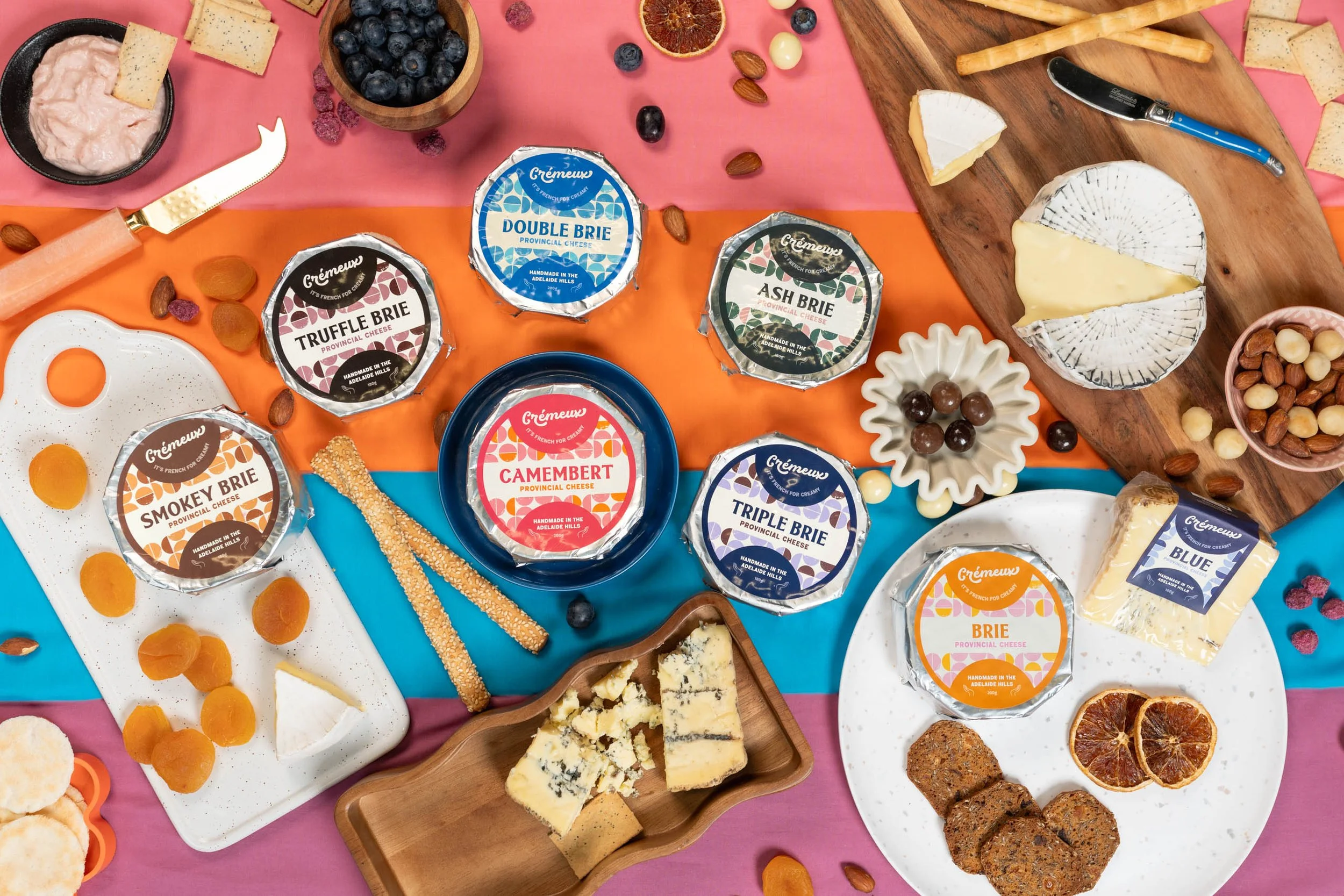
The Best Before date is your friend! The longer you leave Brie and Camembert to ripen and mature, the stronger and creamier they get. They are like bananas and start hard and acidic and ripen to become creamy and full flavoured. Eating a Brie or Camembert four weeks before its best before would be delicious and an epiphany if you’ve never had one this ripe. And then it will keep ripening and rewarding you with the most amazing flavours. If it gets too strong for you – just cut the lid off and dip out the creamy cheese like a fondue.
Blue cheeses take months to mature – ours is beautiful 4 months after it is made and continues to mature for the next 8 months until it is a fully fledged 1 year old. They make the perfect end to a meal when served with a big red wine, a fortified, or even some fresh honeycomb.
So, embrace the Best Before, the French certainly do, often choosing to not eat a cheese until its at its best before.

Shun the Fridge (when serving)
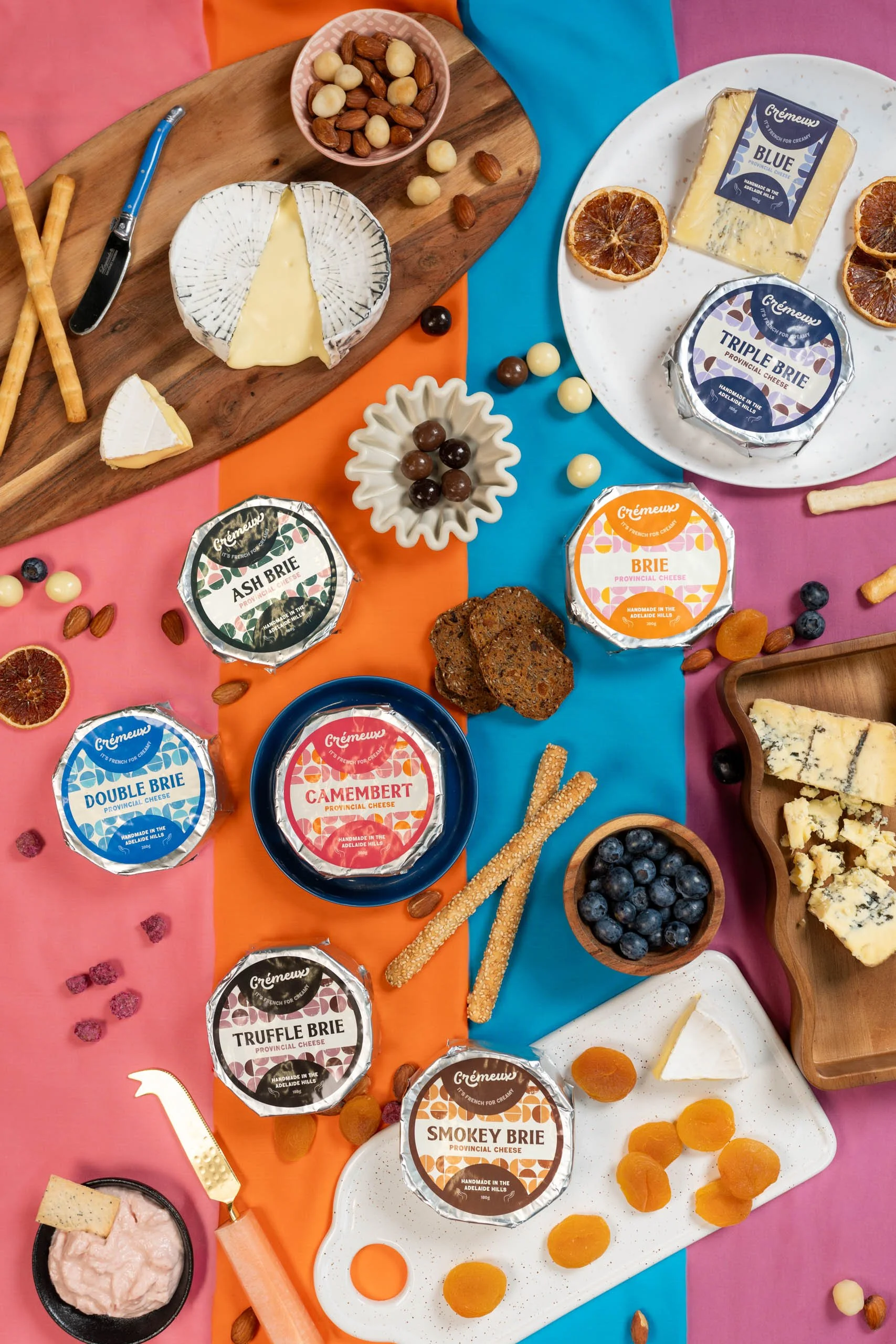
Cheese with mould or maturation (think Brie, blue, cheddar etc) should be served like a red wine at room temperature and cheese that is fresh (think feta, chevre and goat curd) should be served like a white wine at fridge temperature. Have you ever had butter straight out of the fridge, and then had butter at room temperature? They are worlds apart in flavour and texture and so is cheese. Brie and Camembert can ooze on the plate when at room temperature, and blue will melt in your mouth. So, if you can plan ahead, get your cheese out of the fridge at least two hours before you want to serve it, if not the whole day. It will reward you for your insightful organisation.
Whats the difference between Camembert and Brie?
-
Sometimes a Brie can have a higher fat content if is a double or a triple cream brie. That is where we increase milk solids in dry matter by pouring cream into the milk before making the cheese.
A single cream Brie and Camembert (which are the most common varieties) have the same milk/fat content.
-
Champagne is made in Champagne and Brie is a town in Champagne – and the cheese made there uses the milk of Brie in the climate of Brie.
Camembert is a town in Normandy – and the cheese made there uses the milk of Camembert in the climate of Camembert.
The words Brie and Camembert by themselves are not Appellation Origin Controlled names like Champagne – so anyone can use those words. But ‘Brie de Meaux AOC’ is the original Brie and is licensed under appellation.
-
Brie (and the use of surface white moulds) was developed by Monks living in Brie – they had to fast from meat 100 days of the year and so they developed an earthy protein substitute. It was being made 1000 years before Camembert was created.
The monks had to flee religious persecution in Brie and ended up in Camembert where they taught a local lady who sheltered them (called Marie Harel) how to make Camembert
-
Brie was originally the size of a big pizza – possibly 40cm in diameter. Camembert was made the size of a saucer – possibly 10cm in diameter.
The size changes the way it is made and the ripening process quite dramatically, even though the principles are the same.
-
In our opinion, Brie can get quite earthy and mushroomy; whereas Camembert can get Cauliflower/Cabbage flavours through it - think mushroom and cheese, or cauliflower and cheese.
In Australia, it is up to each individual cheesemaker to create the difference between these cheeses. A bit like winemakers all make chardonnay, but each winemaker determines how they will make it using chardonnay grapes.